Beginning RV travel requires understanding RV types, towing basics, campground setup, safety rules, and maintenance essentials.
Starting your RV journey involves several key steps: choosing the right RV type (trailer, motorhome, or off-road trailer), learning proper towing techniques, preparing a complete camping checklist, understanding electrical and water systems, and ensuring safe driving practices. BlackSeries off-road trailers are particularly beginner-friendly due to their strong construction, high stability, and low maintenance requirements.
Understanding RV Basics: What Every Beginner Should Know
What is an RV (Recreational Vehicle)?
An RV is a vehicle designed for temporary living during travel and recreation. There are two main categories: towable units that attach to your vehicle, and motorized units that combine living space with the driving compartment.
Towable RVs include travel trailers, fifth wheels, pop-up campers, and off-road camper trailers like BlackSeries models. Motorized RVs encompass Class A (largest), Class B (van-style), and Class C (mid-size) motorhomes.
The RV lifestyle offers flexibility between established campgrounds with full hookups, boondocking (camping without utilities), and exploring national parks. However, many beginners start with common misconceptions that can lead to frustrating experiences.
Common Beginner Misconceptions:
- RVs require minimal maintenance (they actually need regular upkeep)
- Off-road trailers are too difficult to handle (modern designs are increasingly user-friendly)
- All RVs can operate completely off-grid (many require specific equipment for off-grid capability)
Understanding these realities helps set proper expectations for your RV adventure.
RV Types Explained: Finding Your Perfect Match
Towable RVs
Travel Trailers are the most popular choice for families, offering affordability and variety. Standard models work well for established campgrounds but lack off-road capability.
Fifth Wheels provide spacious interiors and stable towing but require special hitches and larger tow vehicles.
Pop-up Campers offer lightweight options for occasional use, though they provide limited weather protection and storage.
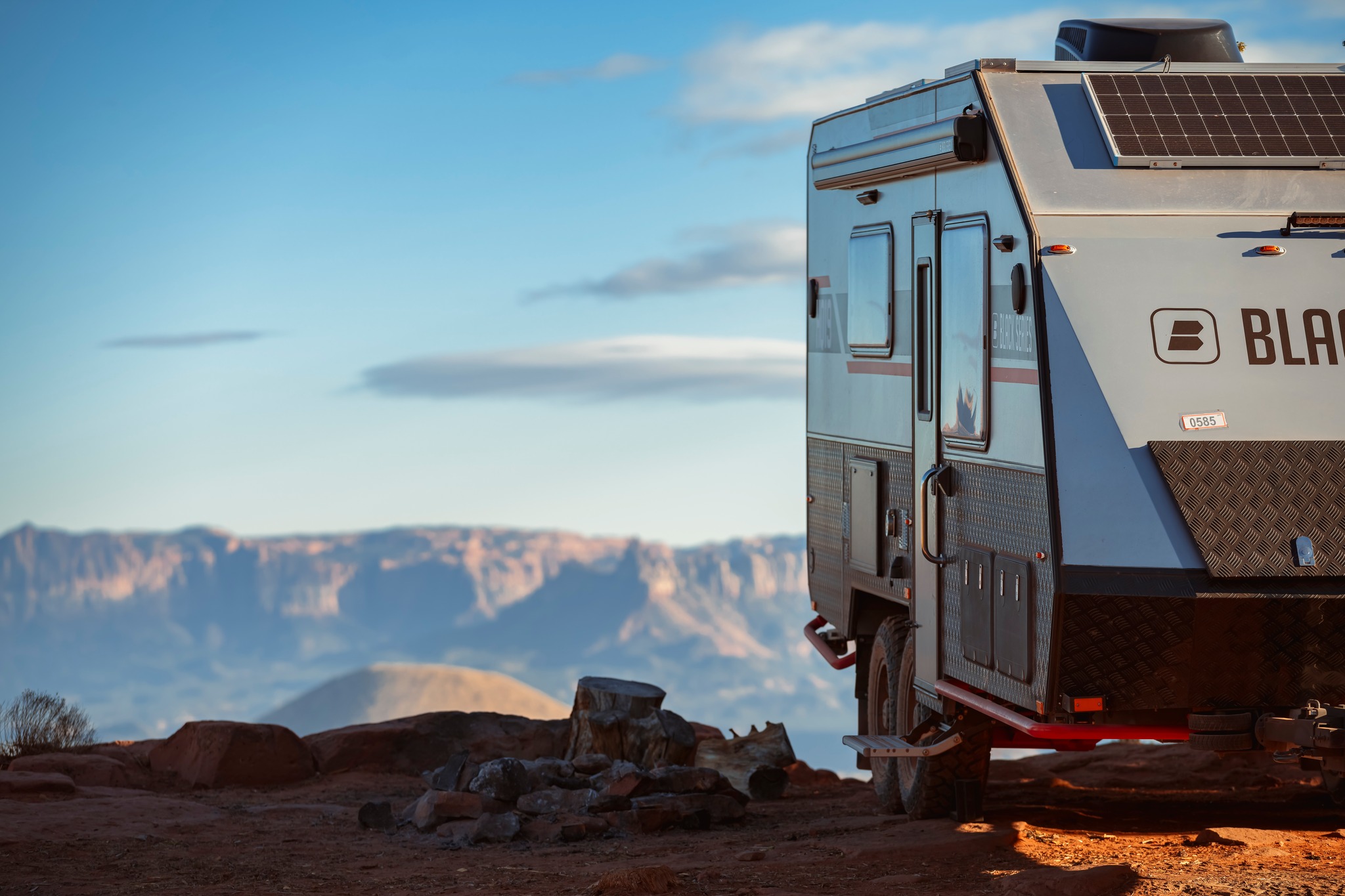
Off-road Camper Trailers like BlackSeries models combine durability with adventure capability, featuring reinforced construction for rough terrain access.
Motorized RVs
Class A motorhomes offer luxury and space but require significant driving skill and higher costs.
Class B units (van life style) provide maneuverability and fuel efficiency for road trips.
Class C motorhomes balance size and driving ease, making them popular for family vacations.
For beginners seeking versatility and durability, off-road camper options provide excellent value and capability.
Essential RV Tips for Beginners
10 Golden Rules Every RV Beginner Should Follow:
- Know Your Towing Capacity – Understanding your vehicle’s towing capacity and trailer compatibility prevents dangerous overloading.
- Master Brake Controller Use – Electric brake controllers are essential for safe trailer towing and require proper adjustment.
- Plan Campground Reservations – Popular destinations like KOA parks, state parks, and national parks fill quickly during peak seasons.
- Learn Leveling Techniques – Proper RV leveling ensures appliance function and comfortable sleeping.
- Understand Hookup Procedures – Water, electrical, and sewer connections follow specific safety protocols.
- Drive Slower for Safety – Reduced speeds improve stability and prevent accidents when towing.
- Prepare for Weather Changes – Weather affects driving conditions and campground accessibility significantly.
- Complete Pre-Trip Inspections – Regular maintenance checks prevent roadside breakdowns.
- Locate Dump Stations – Know where and how to empty waste tanks during your travels.
- Understand Off-Grid Systems – Solar panels, batteries, and inverters enable extended camping without hookups.

RV Camping Checklist for Beginners
Pre-Departure Checklist:
✔ Hitch and safety chains properly connected
✔ Tire pressure checked (trailer and tow vehicle)
✔ Wheel chocks and leveling blocks packed
✔ Water hose and sewer connection kit ready
✔ Electrical adapters (30A/50A) included
✔ Basic tools and emergency repair kit accessible
Campsite Setup Checklist:
✔ RV parked and leveled using blocks or jacks
✔ Stabilizer jacks deployed for reduced movement
✔ Water, electrical, and sewer connections completed
✔ Awnings extended and slide-outs operated
✔ All appliances tested for proper operation
For comprehensive setup guidance, review our off-grid trailer setup guide for detailed procedures.
How to Start RVing for the First Time
Step 1: Choose Your Ideal RV
Consider your family size, tow vehicle capabilities, and intended travel style. Road trips favor different features than off-grid camping or overlanding adventures.
For serious outdoor enthusiasts, BlackSeries overlanding trailers offer unmatched capability and durability.
Step 2: Master Driving Skills
Practice essential techniques including turning radius management, trailer backing, and mountain driving common in western states.
Step 3: Plan Your First Adventure
Start with established campgrounds like KOA or state parks rather than challenging BLM lands. Limit daily driving to 3-5 hours for comfort and safety.
RV Buying Guide for Beginners
Budget Considerations:
- Entry-level RVs: $12,000–$25,000
- Mid-range trailers: $25,000–$45,000
- Motorhomes: $60,000–$150,000
- BlackSeries trailers: $40,000–$90,000 (premium durability and off-road capability)
Key Inspection Points:
- Chassis construction and materials
- Suspension system quality
- Electrical and plumbing systems
- Interior layout and storage
- Tow vehicle compatibility (F-150, Tundra, Ram 1500, 4Runner)
Many American beginners choose quality towable trailers because maintenance stays simpler than motorhomes, and you avoid learning complex vehicle operation while focusing on RV systems.
For detailed buying guidance, consult our off-road trailer buying comparison.
Common Beginner Mistakes to Avoid
- Choosing inadequately constructed or lightweight trailers for intended use
- Ignoring ground clearance requirements for planned routes
- Skipping brake controller setup and adjustment
- Missing weather and road restriction signage
- Neglecting proper backing and parking practice
- Assuming pop-up campers provide off-grid capability
- Purchasing inappropriate floor plans for family needs
Understanding these pitfalls helps beginners make better initial choices and avoid costly corrections later.
Why BlackSeries Excels for RV Beginners
BlackSeries Advantages for New RV Users:
Independent Suspension provides superior stability, making towing easier for inexperienced drivers compared to traditional spring systems.
Military-Grade Chassis offers higher error tolerance and durability, reducing stress about minor impacts or rough roads.
Enhanced Off-Road Capability means stronger construction that withstands varied terrain without damage, protecting your investment.
Simplified Maintenance results from robust engineering that requires fewer repairs and adjustments than lighter-duty alternatives.
Lifestyle Adaptability supports progression from basic RV camping to advanced off-grid and overlanding adventures.
BlackSeries models like the HQ12, HQ15, HQ19, and HQ21 provide excellent platforms for beginners seeking long-term versatility.
Frequently Asked Questions
What is the best RV for beginners?
Off-road trailers like BlackSeries models offer excellent beginner value through durable construction, stable towing characteristics, and capability growth potential.
Is towing a trailer difficult for first-time RVers?
Modern trailers with proper brake systems and weight distribution make towing manageable. Practice in safe environments builds confidence quickly.
How much does it cost to start RVing?
Initial costs range from $15,000-$50,000 for quality trailers, plus ongoing expenses for fuel, campgrounds, and maintenance.
What mistakes do RV beginners make most often?
Common errors include inadequate tow vehicle selection, skipping pre-trip inspections, and choosing trailers unsuited for intended adventures.
Should beginners choose pop-up campers or hard-sided trailers?
Hard-sided trailers provide better weather protection, security, and off-season usability, making them preferable for serious RV use.
Are BlackSeries trailers suitable for RV beginners?
Yes, BlackSeries trailers excel for beginners through stable towing, durable construction, and growth capability as experience increases.
Starting your RV journey with proper knowledge, quality equipment, and realistic expectations creates the foundation for years of memorable adventures across America’s diverse landscapes.

