Above the Fold: Key Takeaways & Short Answer
Short Answer:
Improving RV aerodynamics reduces wind resistance, lowers fuel consumption, and significantly boosts highway stability, especially at towing speeds above 60 mph.
Wind resistance is the main energy drain at highway speeds. Many RVs aren’t designed for high-speed aerodynamics, but BlackSeries addresses these issues from the engineering stage, not with aftermarket fixes.
Key Points at a Glance:
- Wind resistance (aerodynamic drag) becomes your main fuel-waster above 60–65 mph.
- Poor aerodynamics = more fuel burned, less stability, and longer emergency stops.
- BlackSeries RVs are engineered for better airflow and stability, on and off the pavement.
- Slowing down, streamlining accessories, and choosing the right RV design have the highest aerodynamic impact.
Table of Contents
- What Is RV Aerodynamics?
- How Wind Resistance Affects RV Performance
- How to Improve RV Aerodynamics (Practical Methods)
-
- Speed, Aerodynamics, and Fuel Efficiency
- Common Myths About RV Aerodynamics
- How BlackSeries Designs RVs with Aerodynamics in Mind
- Checklist: Aerodynamic Improvements That Actually Work
- FAQ
What Is RV Aerodynamics?
> Summary Box:
> Aerodynamics refers to how air flows around your RV. Aerodynamic drag (“wind resistance”) increases with speed and is a much bigger deal for RVs than for cars because of their size and shape. After 60 mph, drag forces become the leading cause of fuel waste and stability problems.
Aerodynamic Drag: The Core Challenge
-
Definition: Aerodynamic drag is the force air exerts against your RV as it moves forward.
-
RV vs. Passenger Vehicles:
Passenger vehicles are designed with curves and airflow in mind. Most RVs, however, are boxy and tall, leading to much higher wind resistance.
-
Why Efficiency Drops at Highway Speeds:
At 60 mph and above, wind resistance increases exponentially, making even the most powerful engines struggle to maintain efficiency.
Related Read:
If you’re curious about how the frontal area impacts RV tow performance, see Frontal Area RV Aerodynamics: Why Size Matters When Towing.
How Wind Resistance Affects RV Performance
> Summary Box:
> Wind resistance doesn’t just hurt fuel economy, it also makes your RV less stable, increases stopping distance, and can cause dangerous sway in crosswinds or when being passed by trucks.
Wind Resistance: Explained
-
The Math (Simplified):
Wind resistance (drag) grows with the square of your speed. That means doubling your speed makes drag four times worse!
- Biggest RV Vulnerabilities:
-
- Large, flat frontal surfaces catch the wind like a sail.
- Squared-off roofs, tall profiles, and exposed undercarriages generate turbulence.
Real-World Impact Areas
-
Fuel Economy:
More drag means your engine must work harder, burning more fuel. You could lose up to 30% efficiency from poor aerodynamics at 70+ mph.
-
Stability:
More wind buffeting leads to increased sway and less predictable handling.
-
Braking Distance:
Higher drag and instability require longer distances to stop safely, especially in emergencies.
For a technical breakdown, see Drag Coefficient Travel Trailer: What It Means for Towing.
How to Improve RV Aerodynamics (Practical Methods)
> Summary Box:
> The best ways to improve your RV’s aerodynamics: streamline the front, cut exterior clutter, lower the roof profile, and smooth the bottom. Most “miracle” gadgets pale in comparison to these four proven strategies.
1. Reduce Front-End Drag
-
Why It Matters: The flat front end of many RVs is the primary source of drag.
- How to Fix:
-
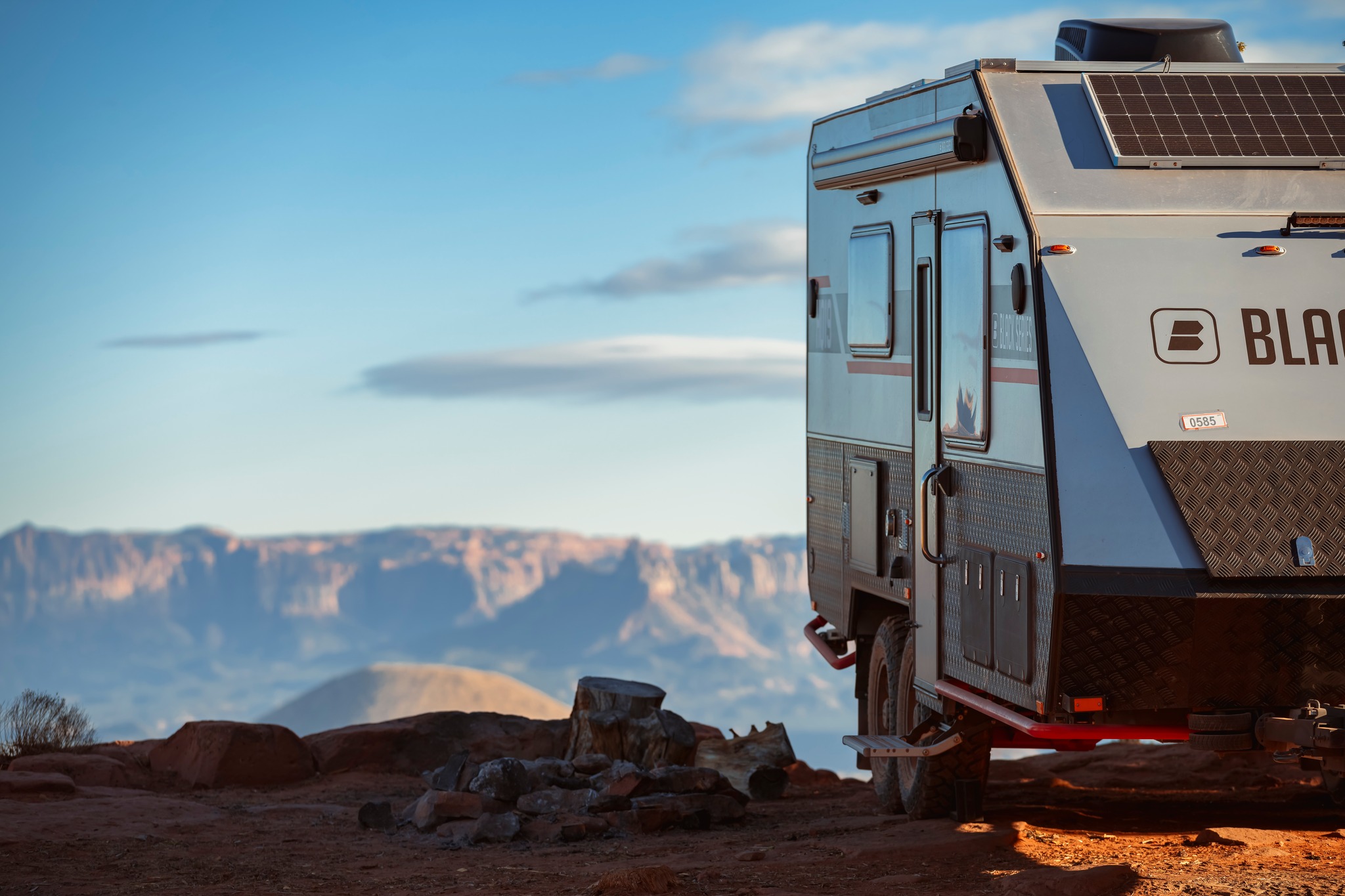
- Consider RVs with sloped or rounded front profiles.
- Add a carefully-sized wind deflector to the tow vehicle or the front of the trailer (ideally, buy an RV with this engineered in from the start).
- Avoid “brick wall” designs, aerodynamic noses make a real difference.
Explore More:
2. Minimize Roof and Exterior Accessories
-
Problem: Each rooftop accessory, solar mounts, racks, antennas, air conditioners, increases turbulence and drag.
- Best Practices:
-
- Remove unnecessary gear before highway travel.
- Choose low-profile accessories mounted in line with airflow.
- Integrate solar panels and vents flush with the roof where possible.
Dive Deeper:
Vortex Generators for RV: Stability, Drag & Reality
3. Optimize Trailer Height and Profile
-
Why Height Matters: Tall RVs catch more wind and suffer greater instability.
- Smart Design Choices:
-
- Lower height wherever possible (BlackSeries’ compact off-road profiles help here).
- Favor curved edges and dome-shaped roofs to smooth airflow.
- Consider the impact of slide-outs, awnings, and external storage solutions.
See Related:
4. Improve Underside Airflow
-
Underrated Fix: Exposed plumbing, axles, and tanks under the RV create turbulence.
- How to Improve:
-
- Install smooth underbelly pans or covers.
- Keep all repair jobs neat to avoid new “air dams” under the trailer.
- Check that modifications don’t block heat dissipation for brakes.
Interesting Topic:
Air Vortex Behind Trailer: Drag, Stability & Solutions
Speed, Aerodynamics, and Fuel Efficiency
> Summary Box:
> Above 60 mph, aerodynamics, not weight, dominates your MPG loss. Slowing down just 5–10 mph can save as much as 15–25% on fuel and dramatically boost stability.
Why Slower is (Usually) Faster
- Real-World Data:
-
- 55 mph: Baseline drag
- 65 mph: ~40% more drag
- 75 mph: ~90% more drag
-
Engine vs. Air: A more powerful tow vehicle only overcomes air resistance by burning more fuel, not through “defeating drag.”
-
Critical Speed: Aerodynamics matter most above 60 mph; after this, every extra mph gets very expensive and risky.
Recommended Reading:
Gas Mileage Towing Travel Trailer: What to Expect
Common Myths About RV Aerodynamics
> Summary Box:
> More horsepower, gadgets, or bigger trailers don’t fix aerodynamics. The truth: Design and driving habits matter most for highway efficiency.
Myth 1: A More Powerful Engine Solves Wind Resistance
- It’ll keep you moving, but you’ll spend much more at the pump.
Myth 2: Add-On Gadgets are Cure-Alls
- Wind deflectors and “vortex generators” sometimes work, but rarely match a well-engineered aerodynamic profile.
Myth 3: Only Big RVs Need Aerodynamics
- Even compact travel trailers can waste fuel and battle sway if not designed with airflow in mind.
For more context, check Laminar vs Turbulent Flow RV: Why Airflow Matters.
How BlackSeries Designs RVs with Aerodynamics in Mind
> Summary Box:
> BlackSeries RVs are built for stability and low drag from the first design sketch. Aerodynamics is core to our off-road and highway engineering, not an afterthought.
Key BlackSeries Design Principles
-
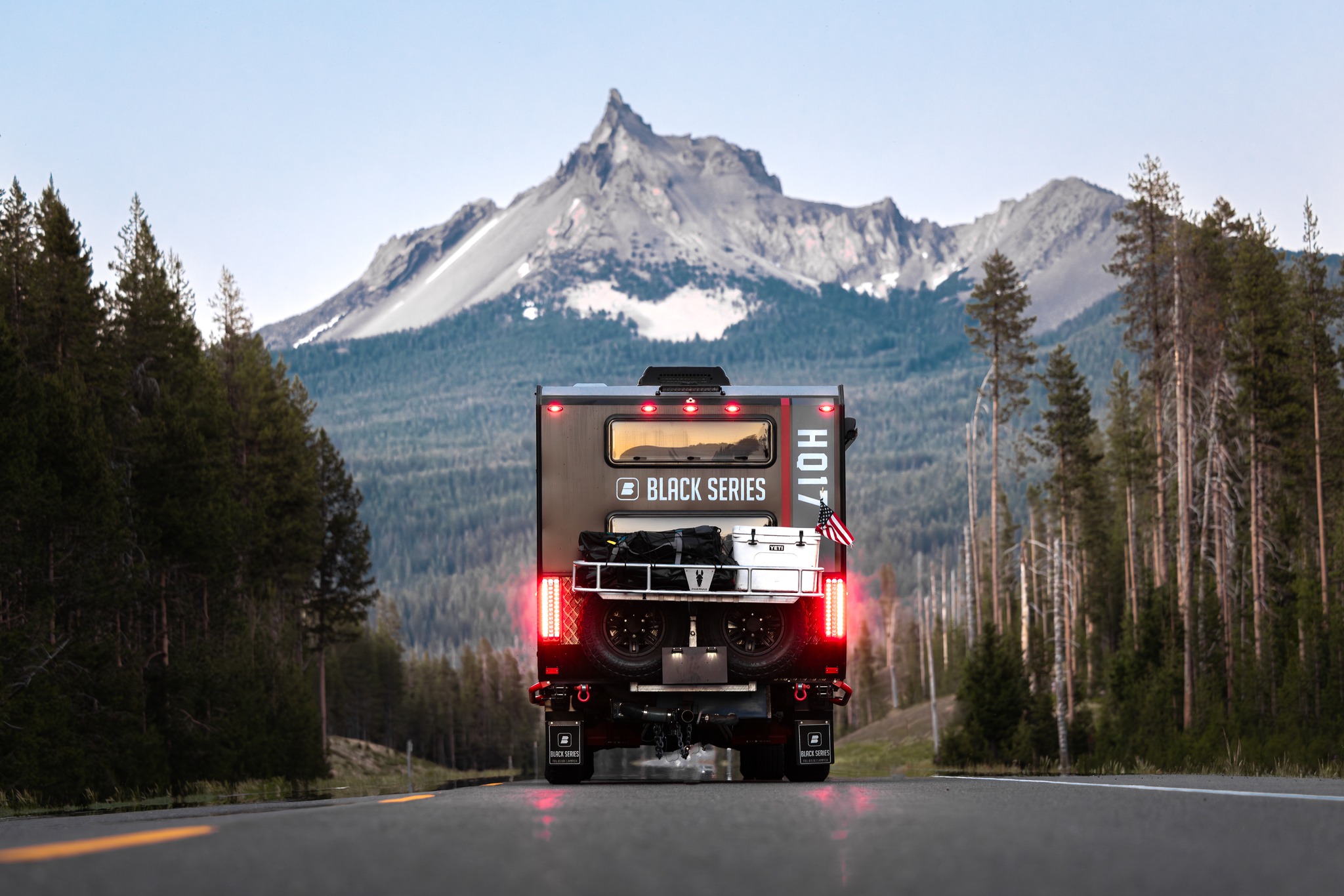
Engineered Airflow:
Front end slopes, integrated nose cones, and low roof profiles reduce drag.
-
Balanced Proportions:
Height, width, and chassis angles are chosen for both stability and off-road clearance.
-
No “Top Speed” Chasing:
BlackSeries focuses on real-world towing and off-road performance, not just wind tunnel stats.
-
Accessory Integration:
Solar panels, vents, and gear racks are integrated for minimal added drag.
If you want the science behind modern BlackSeries shapes, read Aerodynamic Nose Cone Trailer: Drag, Stability & Design.
Checklist: Aerodynamic Improvements That Actually Work
> Summary Box:
> These five steps offer the biggest payoff for RVers seeking better mileage, safety, and comfort at highway speed.
Aerodynamic Improvement Checklist for Every RV Owner
- Maintain highway speeds at or below 65 mph.
- Remove unnecessary roof racks, cargo boxes, and exterior clutter.
- Make sure your tires are inflated to the correct pressure.
- Pack heavy gear low and centered, avoid stacked cargo up high.
- When shopping for a trailer, prioritize models with rounded or slanted fronts and clean, compact profiles.
Optional Improvements:
- Install underbelly pans for a smoother bottom.
- Use side skirts if available.
- Close up exposed cavities and seal rough exterior edges.
Read More:
Loading a Travel Trailer Correctly: Step-by-Step Guide
FAQ
> Summary Box:
> Quick answers to the four most-asked questions about RV aerodynamics and performance.
Q1: Can improving RV aerodynamics really save fuel?
Yes! Reducing drag can improve fuel economy by 10–20% or more, especially at highway speeds.
Q2: What is the biggest source of wind resistance on an RV?
Typically, it’s the flat, tall front end and square roofline. Accessories and underbody turbulence also make a big impact.
Q3: Are aerodynamic RV modifications worth it?
Factory design changes have the biggest impact. Selective aftermarket upgrades (like roof fairings and underbelly covers) help: but miracles are rare.
Q4: At what speed does aerodynamics matter most for RVs?
Any time you’re cruising above 60 mph, drag forces quickly become your main concern for both fuel economy and safety.
Stay connected for more practical guides on towing, aerodynamics, and off-grid adventure! Check out our full blog resource library or read our in-depth review of RV Wind Tunnel Testing: Aerodynamics, Stability & Design for more on the science behind RV efficiency.

